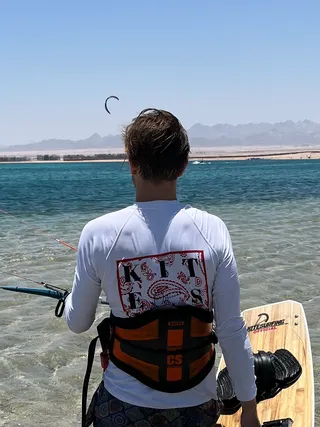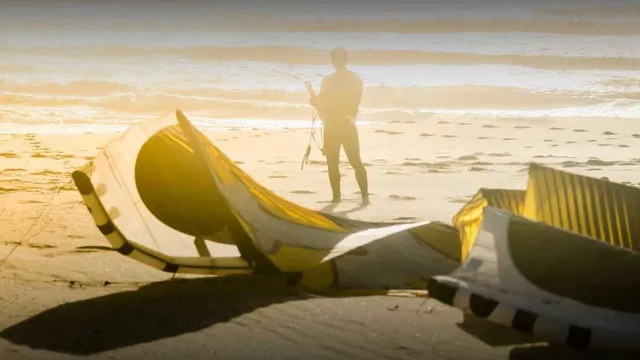
Most kitesurfing tutorials online are written by gear marketers. This isn't one of them. We've taught thousands of people to kite — and we've also watched thousands quit after one frustrating session. The difference between those two outcomes usually comes down to what someone knew before they ever clipped into a harness.
So before you book your first lesson or buy any equipment, read this. Then make your decision.
Is kitesurfing actually for you?
Let's get the uncomfortable question out of the way: kitesurfing is not for everyone. It's physical, it's exposed to weather, and the learning curve is steeper than most people are told before they pay for lessons.
You'll do well with kitesurfing if you don't mind being uncomfortable while learning, if you can stay calm when things go wrong, and if you genuinely enjoy being on the water. Prior board sports experience helps — wakeboarders, surfers, and snowboarders typically progress faster — but it's not required.
Here's what doesn't help: being a strong swimmer (you'll wear a flotation aid anyway), being physically very strong (technique matters more than muscle), or having a high tolerance for frustration alone (because you'll need patience, not toughness).
If you're 14 to 70 years old, in reasonable health, and willing to commit roughly 10 to 15 hours of structured learning, you can absolutely do this.
The real timeline — what nobody tells you
You'll see schools advertise "Learn to kitesurf in 3 days!" That's marketing. Here's the honest version.
After 1 day of lessons, you'll be flying a trainer kite confidently and probably starting to control a real kite from the beach. You won't be on the water yet.
After 2–3 days, you'll be doing body-dragging — being pulled through the water by the kite without a board, learning how to control the kite while in motion.
After 4–6 days, you'll have your first water starts. These are short, ugly, and often involve getting yanked face-first into the water. This is normal. Everyone goes through it.
After 8–12 days of lessons spread over weeks or months, you'll be riding short distances upwind, controlling your direction, and starting to feel like you can actually do this. This is the point most schools call "independent."
After 30–50 hours of total water time (including post-lesson practice), you'll be a confident intermediate. You can ride upwind reliably, change direction with transitions, and start thinking about jumps.
So if anyone sells you "learn in a weekend," ask them whether that means "introduced to the sport in a weekend." Those are different things.
What it costs
Be ready for real numbers. Kitesurfing isn't a cheap sport, and pretending otherwise sets people up to feel ripped off.
A complete lesson program (10–15 hours, the amount you actually need) costs between €600 and €1,500 in Europe, depending on the country and school. In destination spots like Tarifa or Egypt, you'll find better packages because schools compete for tourist business.
If you decide to continue and buy gear, plan for:
- A new complete setup (kite + bar + board + harness): €1,800 to €3,000
- Used gear in good condition: €700 to €1,500
- A wetsuit: €150 to €400 depending on thickness needed
- Travel insurance covering kitesurfing: €60 to €120/year
The most cost-effective path is: learn at a destination school during a 7–10 day trip, then buy used gear from your school or local kite community before your second season.
What you actually need for the first lesson
Nothing except yourself. A reputable school provides:
- Kite + bar + lines
- Twin-tip board
- Harness (seat or waist depending on preference)
- Helmet
- Flotation vest or impact vest
- Wetsuit if water is below 22°C
What you bring: swimwear, sunscreen (reef-safe please, lots of it), sunglasses with a leash, water bottle. That's it.
If you're traveling for lessons, also pack: a quick-dry towel, reef shoes (helpful at rocky launches), and any prescription glasses with a strap because losing them in the water is a real possibility.
What to look for in a kitesurfing school
The kite school you pick matters more than the equipment they use. Here's how to vet one:
IKO or VDWS certified. These are the two main international standards. IKO is more widespread globally; VDWS is the German standard and equally rigorous. Avoid schools without recognized certification — they often skip safety steps.
Maximum 2 students per instructor. With 3 or more, your time on the kite drops to a third. Some schools advertise "group lessons" with 4 students per instructor; that's a tourist trap.
Boats or jet skis on standby. Especially in spots with offshore wind or strong current, having safety boats is non-negotiable. Ask explicitly.
Honest about the learning curve. A good instructor will tell you that day one ends with no board work. A bad one promises miracles. Choose the honest one.
Reviews on Tripadvisor AND from the local kite community. Tripadvisor reviews are useful but can be gamed. Ask in kite forums or local Facebook groups about the school's reputation among actual kiters, not just one-time tourists.
Your first day — what actually happens
Hour 1–2: Theory. Wind direction, the wind window concept, safety procedures, how to use the chicken loop and quick release. This part is boring but essential. Pay attention.
Hour 2–4: Land-based kite control with a trainer kite (a small 2 or 3-meter kite, easy to handle). You'll learn the basic positions and how to steer.
Hour 4–6: Real kite, still on land. Launching, landing, depowering, safety systems. You'll fly the kite while standing on the beach, learning to feel the power.
End of day 1, you're tired, sunburned, and possibly questioning your life choices. This is normal. Drink water, eat properly, sleep.
The mistakes that cost people their progression
Watching beginners over the years, certain mistakes show up over and over:
Skipping the trainer kite phase. People want to jump to a real kite immediately. Don't. Two hours with a trainer kite saves you three days of frustration with a real kite.
Looking at the kite, not where you're going. Beginners stare upward at the kite. This breaks your balance and your ability to read the water. After the first hour, you should feel the kite, not stare at it.
Riding when the wind is wrong. "It looks windy" isn't enough. The wind direction matters as much as the strength. Onshore is dangerous for beginners (you can get blown into the beach). Offshore is dangerous for everyone (you can get blown out to sea). Side-onshore is the safe direction. Learn to read this before booking lessons.
Going alone too early. Lots of people finish their official lessons, then immediately try to practice solo. This is when most accidents happen. Find a kite buddy. Always.
Buying gear before you're sure. Cool-looking kite at the shop? Don't. Your needs in year 2 will be completely different from year 1. Rent or borrow until you've ridden for at least one full season.
What to do between lessons if you can't get on the water
This is the secret weapon. People who progress fastest don't just take lessons — they do homework.
Watch riding videos with intent. Not for entertainment — for analysis. Watch how good kiters stand on the board, where their kite is, how their body is positioned. Slow down videos and pause. Our YouTube channel has hours of teaching footage built for this exact purpose.
Practice the body position dry. Stand against a wall, simulate riding stance. Sounds silly. Works.
Learn the wind theory cold. Knowing why the wind does what it does helps you read conditions intuitively later.
Study spot guides. Get familiar with how kiters describe spots — wind directions, tide behaviors, hazards. This vocabulary becomes your safety net.
Frequently asked questions
How long does it really take to kitesurf independently? Most adults need 10–15 hours of structured lessons spread over 4–7 days, followed by 20–30 hours of post-lesson practice to ride upwind reliably. Plan on a full season to feel confident.
Is kitesurfing harder than windsurfing or wakeboarding? Different. Wakeboarding behind a boat is easier to start because the boat does the work. Windsurfing has a steeper initial learning curve than kitesurfing for most people but fewer safety concerns. Kitesurfing is harder than both to learn alone, easier with proper instruction.
Can I learn kitesurfing in cold water? Yes, with the right wetsuit (5/4mm or thicker for water below 12°C). But cold water adds difficulty and shortens session length. Most beginners progress faster in warm-water destinations.
How dangerous is kitesurfing? Statistically, kitesurfing is safer than many adventure sports when proper instruction is followed. Serious injuries almost always come from skipping safety procedures, riding in unsuitable conditions, or going solo too early. Death rates per participant are lower than for general beach swimming.
Can I teach myself kitesurfing? Technically yes. Practically no. We've seen people try. They either end up in hospital, lose their gear in the ocean, or quit. The €600–€1,500 you spend on lessons saves you €5,000 in broken gear and possibly your life.
Where to go from here
If you've read this far, you're ready to take the next step. Three options based on where you are:
-
Find a destination school. Best ROI: 7-day trip to El Gouna, Tarifa, or Cabarete. You'll get 10+ hours of lessons in conditions ideal for learning.
-
Find a local school first. Cheaper for the initial 2–3 hours of theory and trainer kite. Then continue at a destination.
-
Read more first. Check our spot guide to pick where to learn, our gear basics article to understand what you'll use, and our safety rules article to know what you're getting into.
The water is waiting. Take the first step.