
The bar database
Kitebars
Every kitebar on the market in one place: uniform 1-10 editorial scores, real specs, sizes, prices and model years — finally comparable across all brands. Find the best bar for YOUR riding, not someone else's marketing.


21
Bars
16
Brands
8
Disciplines
3
Model years
Featured bars
Source: KitesurfingOfficial Bar Index · as of October 2026
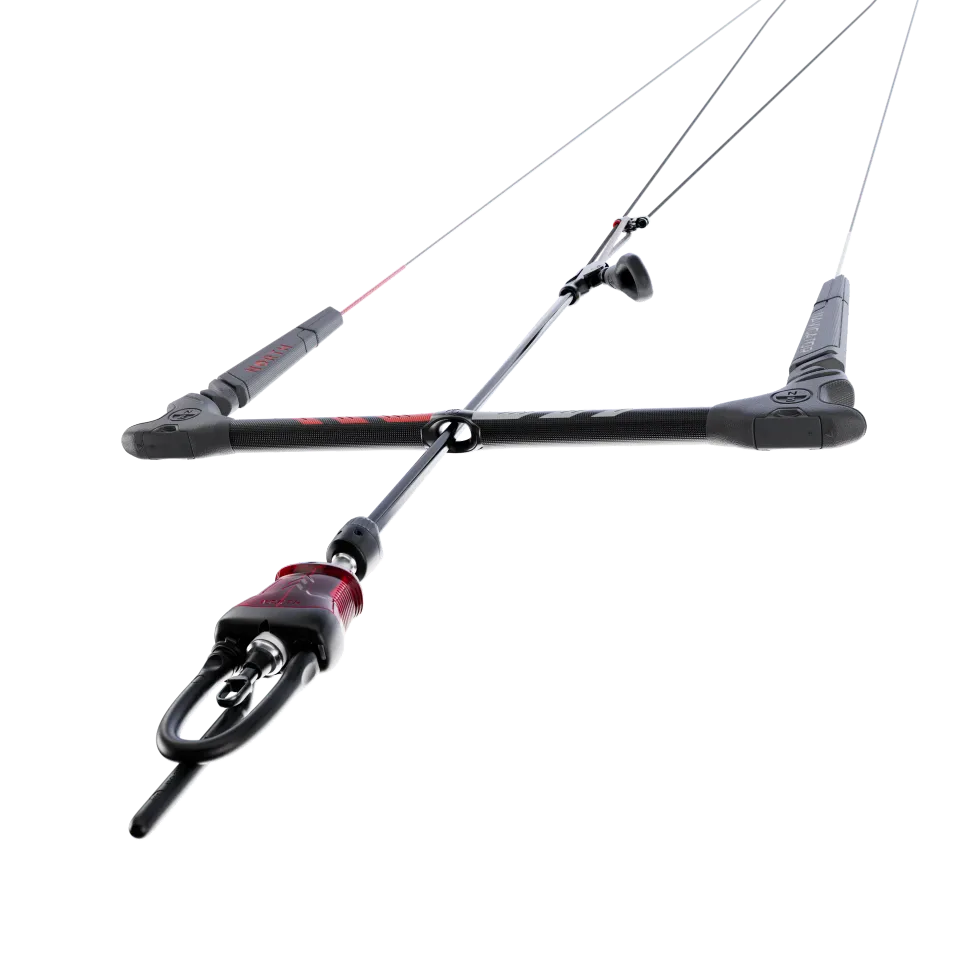
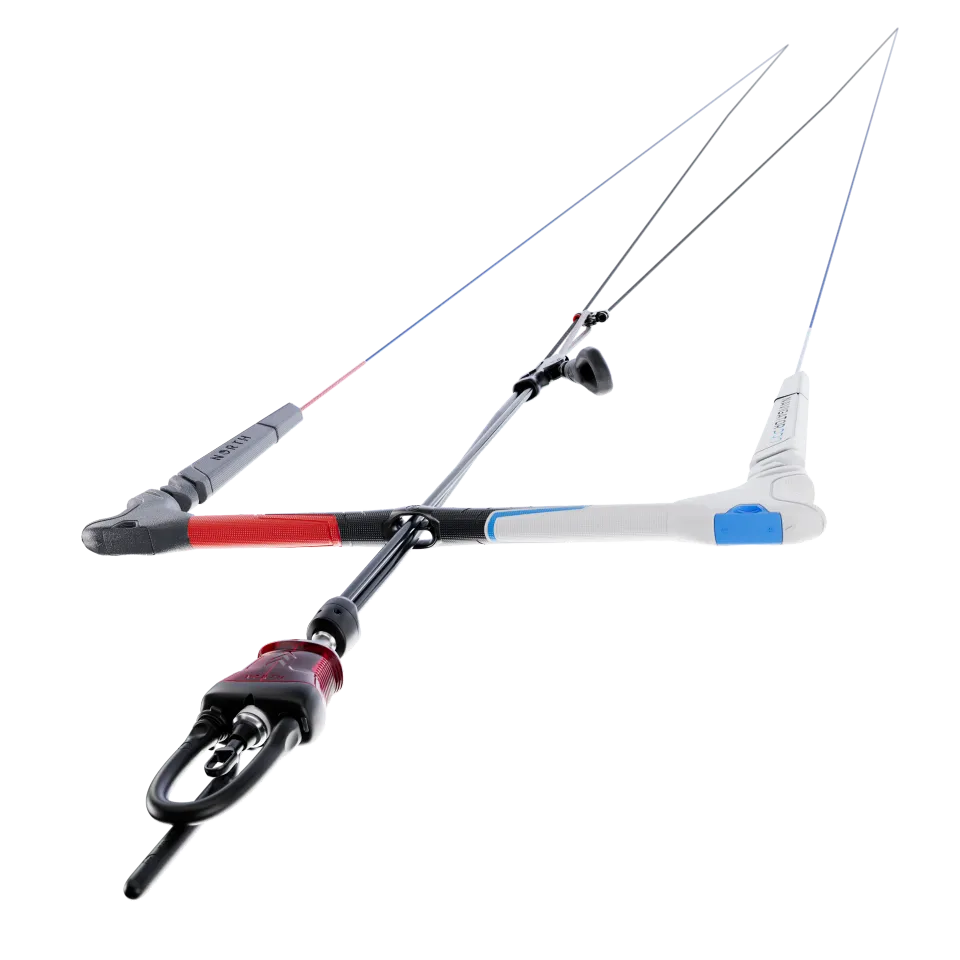
What each discipline needs from a bar
The characteristics that matter most per discipline — tap a card to filter directly.
Bar knowledge
Choosing a control bar, without the marketing
The bar is the most safety-critical piece of kit you own — and the one riders research least. Every brand promises the most direct feel and the cleanest release. The honest version: the right bar depends on YOUR kites (line setup and bridle geometry), your disciplines and how much adjustability you want from one bar across a whole quiver.
This index scores every bar on the same ten characteristics — from depower stroke and safety release to untwist, trim access and line performance — so you can compare across brands on facts instead of slogans. Directness is marked as a character trait: a cushioned comfort bar is not worse than an ultra-direct competition bar, it is tuned for a different rider.
What riders actually need from a bar
Four honest priorities cover most decisions — tap one to filter the index.
The most common bars on the market
The bars you will meet on every beach — alphabetical, deliberately unranked, each linked to its full dossier.
- Cabrinha Overdrive— the adjustable-width workhorse of the Cabrinha system
- Core Sensor— German-engineered minimalism with a tick-tack width adjuster
- Duotone Click Bar— power steering for kites: trim by clicking at the bar end
- Duotone Trust Bar— the classic workhorse bar of the Duotone stable
- F-One Linx— the clean, intuitive bar across the whole F-One range
- North Navigator— modular control system with tool-free width adjustment
- Ozone Contact— aircraft-grade simplicity from the Ozone workshop
- Slingshot Sentry— Slingshot's do-it-all control system, V3 for 2026
Being common is not a ranking: it means parts, know-how and second-hand value are easy to find.
So which bar is actually the best?
The one that matches your kites' line setup, releases cleanly every single time and feels right for YOUR riding — cushioned or direct. Use the line-setup filter, open the profiles for widths, line lengths and prices per model year, and put two finalists side by side in the compare tool.
Two bars on the shortlist?
Put them side by side — same ten characteristics, same scale, honest differences.
Ride with one of these? Submit your action shot on its profile
Kite control bars — frequently asked questions
Not safely as a rule. Bridle geometry, the high V or low V setup, line length and the safety system differ between brands and even model years, so a bar that works on one brand's kite may not depower another brand's kite or let it flag out correctly. 5-line kites also need a 5-line or convertible bar. Ride the bar made for your kite, and confirm any other combination with the manufacturer or a trusted shop first. Each profile lists the bar's line setup.
Newsletter
The wind report,
in your inbox.
Selected spots, gear insights, event updates and rider stories. No fluff — only when there is something worth sharing.
No spam. Unsubscribe in one click. How we handle your data: Privacy policy