Gear / Kites
Kitesurfing Kites
The kite is the engine of your setup. Choose the right size, shape and discipline focus before you spend money on equipment that does not fit your level, wind range or riding style.
The Kite Decides How Your Session Feels
A kite is not just a piece of fabric in the sky. It controls how much power you have, how quickly you can relaunch, how safe you feel in gusts, how high you can jump and how easy it is to progress. The right kite makes a session feel controlled. The wrong kite makes every mistake bigger.
Most riders should not start by asking which kite is the most powerful. The better question is: which kite gives me the right amount of control for my current level and my local wind range? A beginner needs stability, easy relaunch and predictable steering. A freeride rider needs comfort and range. A Big Air rider wants lift, hangtime and loop stability. A wave rider needs drift and fast turning. A foil rider needs efficiency in light wind.
That is why choosing a kitesurfing kite should always start with your real conditions: your body weight, your board, your home spot, your usual wind speed and the way you actually want to ride.
Kite types explained
Pick the shape that matches your riding
Freeride Kite
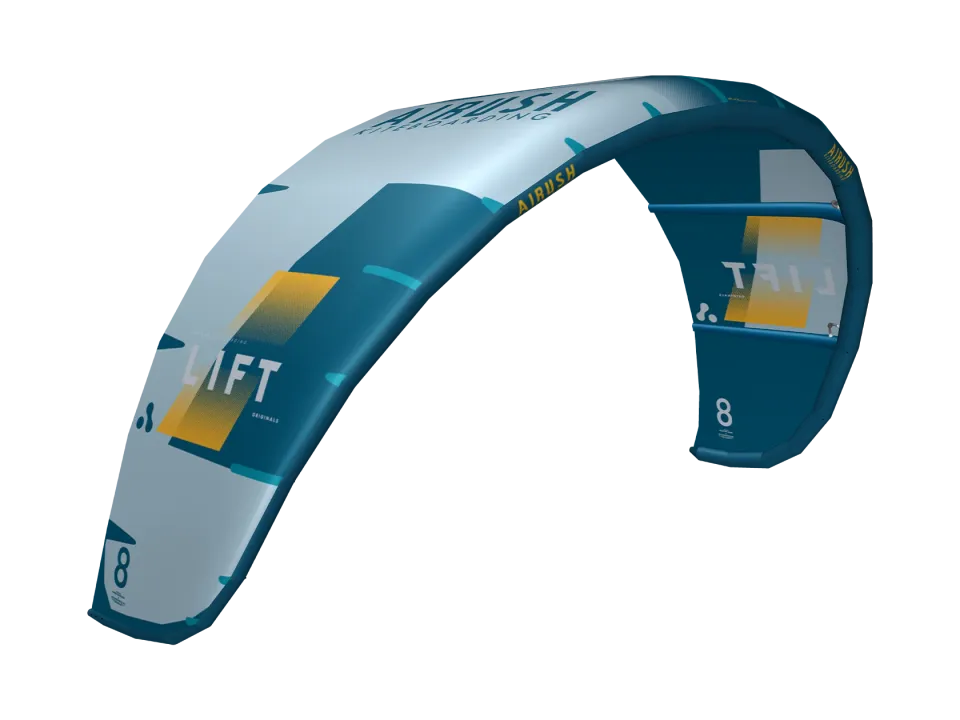
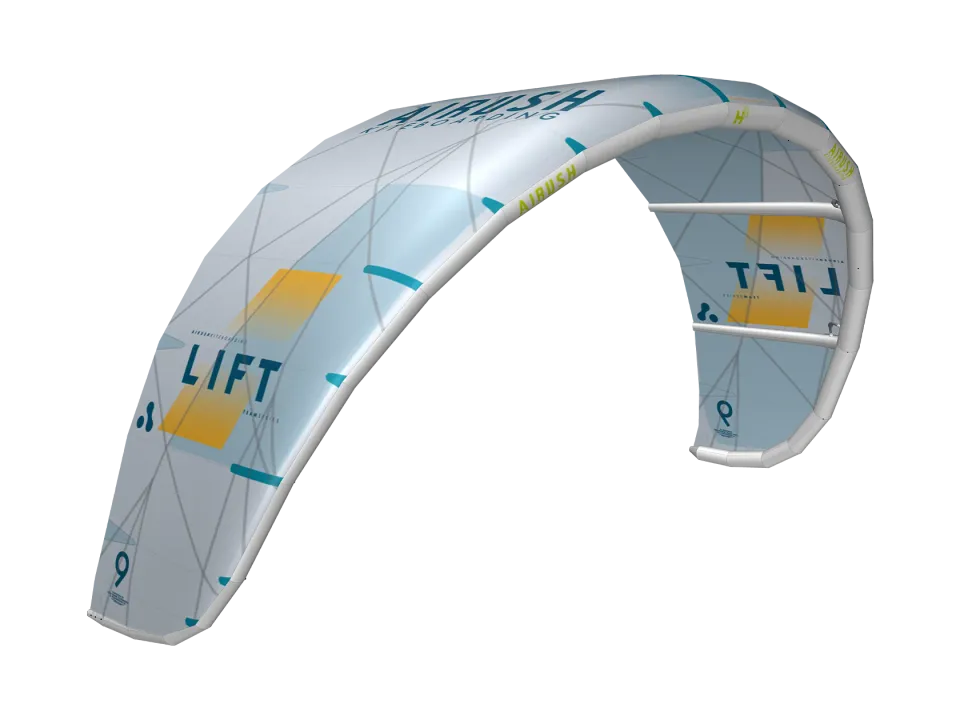
The freeride kite is the all-rounder for most riders. It usually offers easy relaunch, stable flight, good depower and a wide wind range. If you are progressing from lessons into independent riding, freeride is often the safest category to start with. It works for cruising, first jumps, transitions, upwind riding and general progression.
Best for
Beginners after lessons, freeriders, progressing riders, first jumps.
Big Air Kite
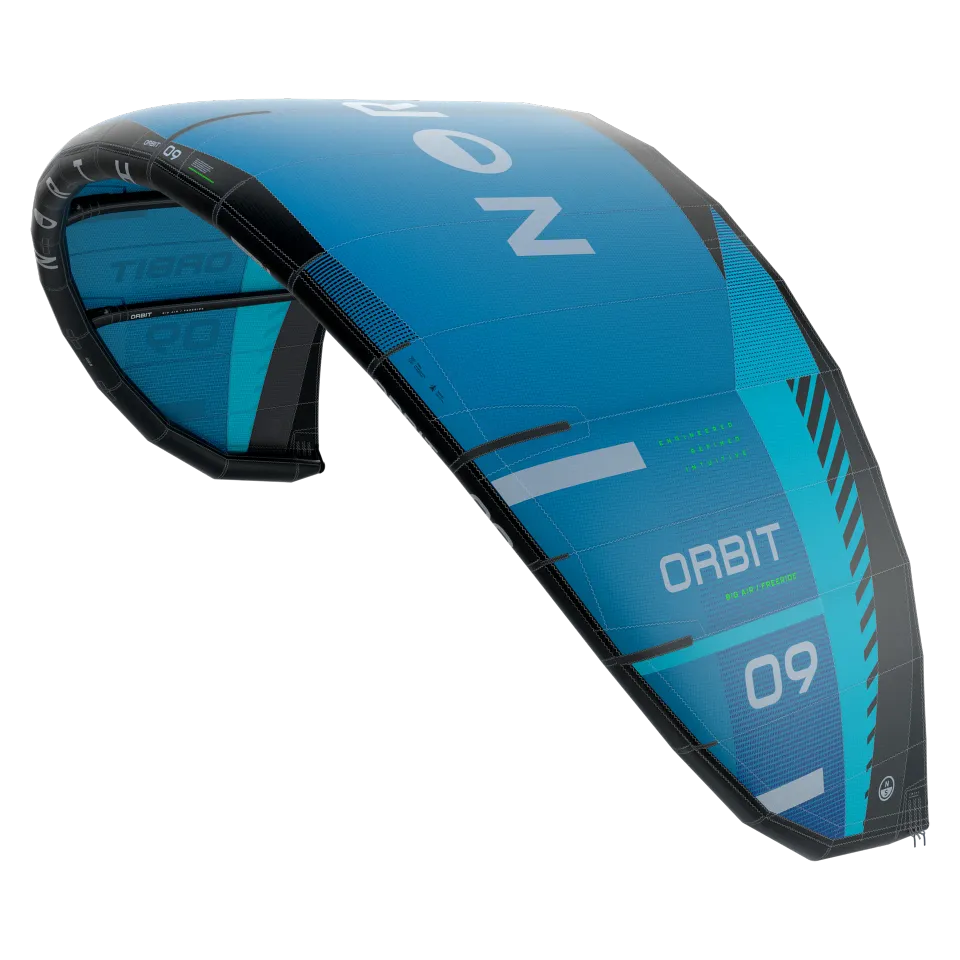
Big Air kites are built for lift, hangtime, edge release and control in strong wind. They are usually more performance-focused than beginner kites and reward good edging, speed and timing. A Big Air kite can help you jump higher, but it also demands stronger control and better safety judgement.
Best for
Experienced freeriders, jump progression, strong wind, Big Air.
Wave Kite
Wave kites are designed to drift, turn quickly and depower smoothly. They should stay neutral when you ride down the line and not pull you off the wave. A good wave kite feels responsive but controlled, especially when the rider is using the board and the wave more than constant kite power.
Best for
Directional boards, surf-style riding, waves, strapless.
Freestyle Kite
Freestyle kites focus on pop, slack and precise control. They are made for riders who train technical tricks, unhooked moves, handle passes or wakestyle riding. They can feel less forgiving than freeride kites and are not usually the easiest choice for beginners.
Best for
Unhooked tricks, wakestyle, park riding, advanced freestyle.
Foil and Light-Wind Kite
Foil and light-wind kites are designed for efficiency. They help riders get going in less wind, especially with hydrofoils or larger boards. They usually prioritize smooth power, low-end performance and lightweight handling rather than aggressive jumping.
Best for
Hydrofoil, light wind, cruising, efficient riding.
All-Round Beginner Kite
Beginner-friendly kites are predictable, stable and easy to relaunch. They should not be nervous, overly fast or too technical. A good beginner kite gives you time to think, correct mistakes and build confidence during body drag, waterstart and first upwind sessions.
Best for
Kite students, early independent riders, safe progression.
What beginners should look for
- ●Easy water relaunch in light and strong wind
- ●Stable in the air without constant steering input
- ●Wide depower range
- ●Predictable, smooth steering — not twitchy
- ●Modern safety system with a single push-away release
- ●Wide wind range so one kite covers more conditions
What to avoid
- ●Kites older than ~7 years with unknown storage history
- ●Pure race / pure C-kites as a first kite
- ●Damaged or porous bladders
- ●Frayed bridles or seized pulleys
- ●Repairs you can't trace or verify
Beginner vs performance
Beginner Kite vs Performance Kite
| Feature | Beginner-Friendly Kite | Performance Kite |
|---|---|---|
| Power delivery | Smooth and predictable | More explosive and direct |
| Relaunch | Easy and forgiving | Can require better technique |
| Turning | Stable and controlled | Faster and more responsive |
| Depower | Large, forgiving range | Depends on discipline |
| Best use | Learning, freeride, confidence | Big Air, freestyle, wave or racing |
| Mistake tolerance | High | Lower |
| Who should buy it | Beginners and progressing riders | Experienced riders with clear goals |
A performance kite is not automatically better. It is better only when the rider can use the extra performance safely. For many riders, the best kite is still a versatile freeride model that covers more sessions and makes progression easier.
Kite size basics
How Kite Size Really Works
Kite size is usually shown in square meters, but the number alone does not tell the full story. A 12 m beginner freeride kite does not always feel like a 12 m high-aspect Big Air kite. Shape, profile, bridle system, aspect ratio, bar pressure and turning speed all influence how powerful a kite feels.
Still, size matters. Bigger kites generate more pull and help in lighter wind. Smaller kites are easier to control in strong wind and move faster through the wind window. The right size depends on wind speed, rider weight, board size, water conditions and riding style. The safest approach is to use a kite size calculator as a starting point and then adjust based on local conditions and advice from experienced riders.
Reference
Kite Size Starting Points
These numbers are only rough starting points for average freeride conditions. Rider weight, board size, water state, gusts and local safety rules can change the right choice.
| Kite Size | Typical Use | Notes |
|---|---|---|
| 5–7 m | Strong wind / stormy sessions | For experienced riders, lighter riders or very strong wind. Not a beginner default. |
| 8–9 m | Strong to medium wind | Common for 20–30 knots depending on weight and board. |
| 10–12 m | Medium wind freeride | Often the main size for many riders and a common beginner range. |
| 13–14 m | Light-wind freeride | Useful for heavier riders, bigger boards and lighter wind. |
| 15 m+ | Very light wind / foil | Often used with foil boards, large boards or specific light-wind setups. |
What Makes a Kite Safe?
A safe kite is not only a kite that looks undamaged. It needs a modern safety system, reliable bridle lines, working pulleys if used, airtight bladders, a compatible bar and predictable depower. Safety also depends on the rider knowing how to launch, land, release and self-rescue.
Before buying a used kite, check the canopy, leading edge, struts, valves, bridles, pulleys, stitching and repairs. Ask how old the kite is, how often it was used and whether it was stored dry and out of the sun. A cheap kite is not a good deal if the safety system is outdated or the condition is unclear.
Safety checklist
- ●modern single-front-line or compatible safety system
- ●clean quick release behavior with the right bar
- ●no leaking valves or bladders
- ●no frayed bridles
- ●no seized pulleys
- ●no large unverified repairs
- ●no porous canopy
- ●no unknown bar compatibility
- ●no outdated school kite with heavy use
Decision grid
Which Kite Fits Your Riding Style?
If you want to learn safely
Choose a beginner-friendly freeride kite.
If you want one kite for most sessions
Choose a freeride all-rounder with wide wind range.
If you want to jump higher
Choose a Big Air kite once your basics are strong.
If you ride waves
Choose a wave kite with drift and fast turning.
If you ride unhooked tricks
Choose a freestyle kite with pop and slack.
If you ride foil in light wind
Choose a lightweight foil or light-wind kite.
If you are unsure
Start with freeride and upgrade later.
Common Mistakes When Buying a Kite
Buying a kite that is too advanced for your level
Choosing size only from a generic wind chart
Ignoring your body weight and board size
Buying an old kite because it is cheap
Mixing kite and bar without checking compatibility
Buying a pure race kite or C-kite as a first kite
Choosing a kite for Instagram instead of your real home spot
Ignoring relaunch, depower and safety system condition
New vs Used Kites
A new kite gives you warranty, known condition and the latest safety system. That can be especially valuable for beginners who do not yet know how to judge wear and repairs. The downside is price.
A used kite can be a smart purchase if it is modern, well maintained and correctly sized. Many riders build their first setup with used gear. The key is to avoid old, heavily used or poorly repaired kites. If you are not sure, ask a school, shop or experienced rider to inspect it before you buy.
| New Kite | Used Kite |
|---|---|
| Warranty | Lower price |
| Known condition | Better value if well maintained |
| Latest safety | Needs careful inspection |
| Higher cost | Higher risk if condition unclear |
Build Your Kite Quiver Slowly
A quiver is the combination of kite sizes you own. Many riders dream of having every size, but most do not need that at the beginning. A smart quiver grows from real sessions. Start with the size that fits your most common wind range. Then add a smaller or larger kite once you know what conditions you are missing.
For many riders, a two-kite setup already covers a large part of the season. A three-kite setup makes sense when you ride often and want more range. The best quiver is not the biggest quiver. It is the one that matches your local wind, weight, board choice and riding goals.
FAQ
Kitesurfing Kite FAQ
What kite type is best for beginners?+
Most beginners should choose a stable freeride or all-round beginner kite with easy relaunch, predictable steering and a wide depower range. The goal is not maximum performance, but control. A beginner kite should help you practice body drag, waterstart, upwind riding and first transitions without feeling too nervous or aggressive.
What kite size do I need?+
The right kite size depends on wind speed, rider weight, board size, skill level and water conditions. A heavier rider usually needs more kite area than a lighter rider in the same wind. A larger board can reduce the kite size needed, while strong current, chop or advanced riding can change the choice. Use a kite size calculator as a starting point and always adjust to local conditions.
Is a 12 m kite good for beginners?+
A 12 m kite can be a common beginner size for many average-weight riders in moderate wind, but it is not automatically the right size for everyone. A lighter rider, stronger wind or smaller board may require a smaller kite. A heavier rider or lighter wind may need more area. Size should always be matched to real conditions.
How many kites should I own?+
Many riders start with one kite that fits their most common local wind range. As they progress, they often add a second kite to cover stronger or lighter wind. A full quiver usually makes sense only when you know your riding style, home spot and seasonal wind range. Buying too many kites too early can be expensive and unnecessary.
Are old kites safe?+
Old kites can be safe if they are well maintained, modern enough and compatible with current safety systems. But older kites often have worn fabric, leaking valves, stretched bridles or outdated release behavior. Avoid kites with unknown history, poor repairs, porous canopy or unclear bar compatibility, especially as a beginner.
What is the difference between freeride and freestyle kites?+
Freeride kites are designed for versatility, easy handling, depower and broad wind range. Freestyle kites are more technical and focus on pop, slack and control for tricks such as unhooked moves or handle passes. A freeride kite is usually better for most progressing riders, while a freestyle kite makes sense when you specifically train technical freestyle.
Can one kite cover all wind conditions?+
No single kite covers all conditions safely and comfortably. One kite can cover your most common wind range, but lighter or stronger wind will eventually require a different size. The goal is not to own every size immediately, but to build a quiver slowly around your real sessions.
Should I buy a Big Air kite as my first kite?+
Usually no. A Big Air kite is built for performance, lift and strong wind control. As a first kite, it can be too demanding. Beginners usually progress faster on a stable freeride kite that relaunches easily, depowers well and gives more time to correct mistakes.