Gear / Boards

Kitesurfing Boards

Your board decides how early you ride, how easily you go upwind and how controlled your session feels. Choose the right kiteboard for your level, weight, local wind and riding style.

Your Kiteboard Changes More Than You Think

Many riders focus on kite size first, but the board can change a session just as much. A good kiteboard helps you plane earlier, ride upwind with less effort, hold more edge, land more comfortably and stay in control when the water gets choppy. The wrong board can make learning feel harder, even if the kite size is correct.

For beginners, the board is especially important. A slightly larger freeride twintip can make waterstarts easier, give more stability and help you ride upwind sooner. For advanced riders, board choice becomes more specific. Big Air riders want edge grip and controlled landings. Freestyle riders look for pop and support. Wave riders need a directional board that feels alive on the wave. Foil riders use the board as a platform for the hydrofoil.

Choosing the right board means matching board type, size, rocker, width, flex and outline to your body weight, riding level, local wind and the way you want to ride.

Main board types

Main Kiteboard Types Explained

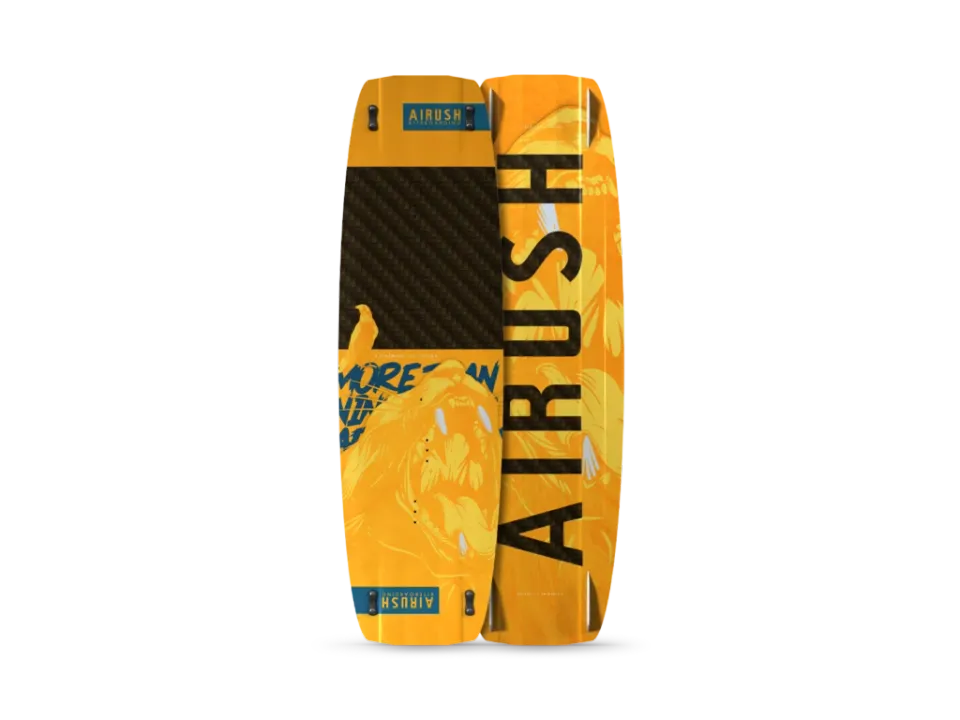
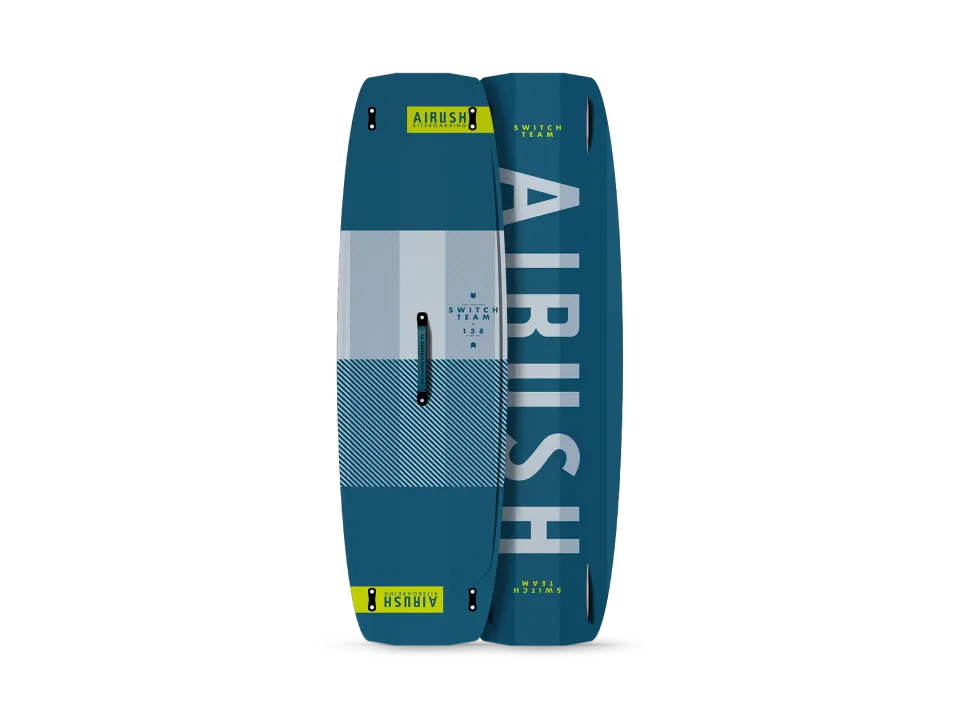
Twintip Kiteboard

The twintip is the most common kiteboard type and the best starting point for most riders. It is symmetrical, can be ridden in both directions and works for freeride, learning, first jumps and Big Air progression. A freeride twintip with enough size and medium flex is usually the most forgiving board for beginners.

Best for

Beginners, freeride, first jumps, Big Air progression, everyday sessions.

Directional Kiteboard

A directional board is shaped more like a surfboard and is mainly used for wave riding, strapless freestyle and surf-style sessions. It is ridden with a front and back foot direction, which means you need to learn transitions, gybes and different footwork. Directionals are less beginner-friendly for general learning, but they open up a completely different style of riding.

Best for

Waves, strapless, surf-style riding, advanced freeride.

Foil Board

A foil board uses a hydrofoil underneath the board to lift the rider above the water. This makes riding extremely efficient in light wind, but also technical to learn. Foiling requires careful kite control, balance, water depth and patience. It is usually better after basic kite control and independent upwind riding are solid.

Best for

Light wind, efficient cruising, hydrofoil progression, advanced riders.

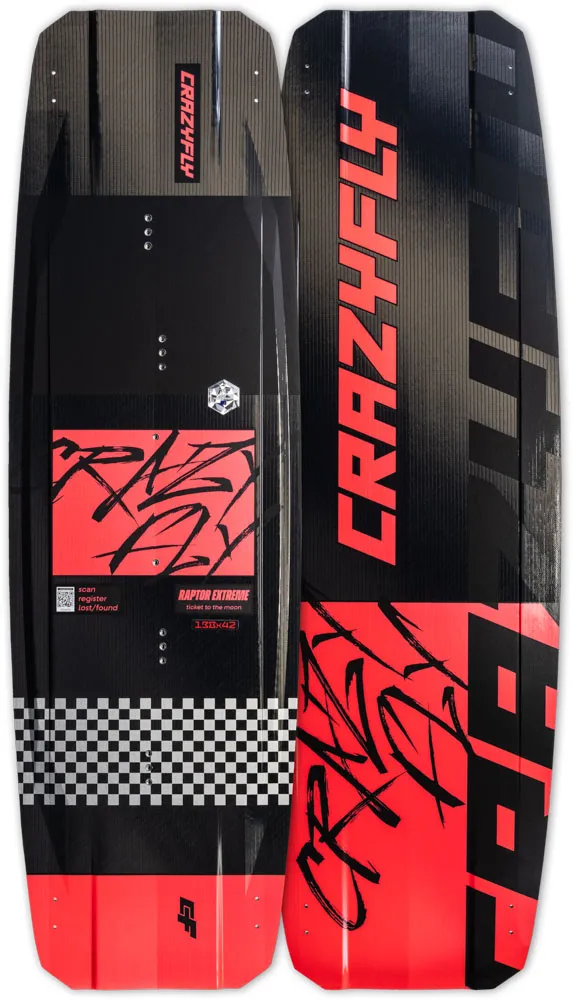
Big Air Board

A Big Air board is usually a more performance-focused twintip designed for strong edging, explosive takeoffs and stable landings. It often feels more direct than a soft beginner board. Big Air boards make sense when you already ride with power and want better control during jumps, loops and high-speed landings.

Best for

Jumping, strong wind, powered freeride, Big Air.

Freestyle Board

Freestyle boards focus on pop, control and landings. They can feel more technical and less forgiving than freeride boards. Some riders use boots for wakestyle tricks, while others prefer straps. A freestyle board is best when you already know that technical tricks are your main focus.

Best for

Unhooked tricks, wakestyle, technical freestyle, park riding.

Beginner vs performance

Beginner Board vs Performance Board

FeatureBeginner-Friendly BoardPerformance Board
SizeSlightly larger and forgivingMore specific to discipline
RockerFlat to mediumDiscipline dependent
FlexMedium and comfortableStiffer or more responsive
Upwind abilityEasierDepends on rider technique
LandingsSoft and forgivingMore direct and powerful
Mistake toleranceHighLower
Best useLearning, freeride, first progressionBig Air, freestyle, wave or foil
Who should buy itBeginners and progressing ridersExperienced riders with clear goals

A performance board is not automatically better. It is better only when it matches your level and riding style. For many riders, a comfortable freeride twintip creates more progression than an advanced board that is too small, too stiff or too specialized.

Sizing

How Kiteboard Size Really Works

Kiteboard size is usually described by length and width, but width often matters just as much as length. A wider board creates more surface area, planes earlier and helps in lighter wind. A narrower board can feel more controlled at speed and in strong wind. Length adds stability, but too much length can feel slow or harder to control.

For beginners, a slightly larger board is usually easier. It helps with waterstarts, early planing and riding upwind. For advanced riders, size becomes more discipline-specific. Big Air riders may choose a board that holds edge at speed. Freestyle riders may look for pop and landing support. Wave and foil riders use entirely different board concepts.

Reference

Kiteboard Size Starting Points

These numbers are only rough starting points for freeride twintips. The right size depends on weight, wind range, kite size, board width, water conditions and skill level.

Rider / Use CaseTypical Twintip RangeNotes
Light riders / strong wind132–136 cmMore control in powered conditions.
Average riders / freeride136–142 cmCommon all-round range for many riders.
Beginners / easier progression138–145 cmHelps with waterstarts, stability and upwind riding.
Heavier riders142–150 cmMore surface area helps early planing.
Light-wind freeride145 cm+Works with larger kites and lower wind.
Big Air progressionDiscipline-specificEdge grip, rocker and stiffness matter more than size alone.

Board anatomy

Rocker, Flex and Width Explained

Rocker

Rocker describes how much the board curves from tip to tip. More rocker can make landings softer and riding in chop more comfortable, but it can reduce early planing and upwind ability. Less rocker feels faster and more efficient, but can be harsher in rough water.

Flex

Flex changes how the board absorbs chop, loads for jumps and releases from the water. Softer boards are usually more comfortable and forgiving. Stiffer boards can feel more explosive and direct, especially for Big Air or freestyle.

Width

Width creates surface area. A wider board planes earlier, helps heavier riders and works better in lighter wind. Too much width can feel less controlled at high speed or in strong wind. Width is one of the most overlooked board dimensions.

Decision grid

Which Board Fits Your Riding Style?

If you are learning

Choose a larger freeride twintip.

If you want one board for most sessions

Choose a medium freeride twintip.

If you want to jump higher

Choose a Big Air twintip with strong edge grip.

If you ride waves

Choose a directional wave board.

If you train technical tricks

Choose a freestyle or wakestyle board.

If you want light-wind efficiency

Choose a foil board or larger light-wind twintip.

If you are unsure

Start with freeride and upgrade later.

Side by side

Twintip vs Directional vs Foil Board

Board TypeLearning CurveBest ConditionsMain AdvantageMain Challenge
TwintipEasiestFlat water, chop, freerideVersatile and beginner-friendlyLess surf feeling
DirectionalMediumWaves, side-shore windSurf-style riding and wave controlRequires footwork and gybes
Foil BoardTechnicalLight wind, deep waterExtremely efficientNeeds balance, patience and safety awareness

Most riders should learn on a twintip first. Directional and foil boards are incredible, but they make more sense once basic kite control, board control and upwind riding are reliable.

New vs Used Kiteboards

Used kiteboards can be a smart buy because boards usually age more predictably than kites. Still, you need to inspect them carefully. Check the rails, inserts, pads, straps, base, fins and any signs of delamination. A board with damaged inserts or hidden delamination can become expensive quickly.

New boards give you warranty, fresh pads and known condition. Used boards can save money, especially for beginners, as long as the size and condition are right. Do not buy a board only because it is cheap. Buy it because it fits your weight, level and wind range.

Used board checklist

  • rails intact
  • no delamination
  • inserts not spinning or damaged
  • pads and straps usable
  • no deep cracks
  • base not heavily damaged
  • fins included and secure
  • correct size for your level

Common Mistakes When Buying a Kiteboard

01

Buying a board that is too small for learning

02

Ignoring width and only looking at length

03

Choosing a freestyle board too early

04

Buying a foil board before basic riding is solid

05

Picking a board for strong wind although your home spot is light wind

06

Ignoring rocker and flex

07

Buying used boards without checking inserts and rails

08

Thinking the board does not affect kite size

How Board Choice Affects Kite Size

Your board and kite work together. A larger or wider board can help you ride earlier and may allow you to use a slightly smaller kite in some conditions. A smaller board often needs more power to start and stay upwind. This is why two riders with the same weight can use different kite sizes if they ride different boards.

Beginners should think of kite size and board size as one setup. If the kite is too small and the board is too small, learning becomes difficult. If the kite is too big and the board is too large, control can become a problem. Balance matters more than one single number.

FAQ

Kiteboard FAQ

What board is best for beginners?+

Most beginners should start on a larger freeride twintip. It is easier to waterstart, more stable at low speed and helps riders go upwind sooner. A beginner board should be forgiving, comfortable and large enough for the rider's weight and local wind range. Very small or aggressive freestyle boards usually make learning harder.

What size kiteboard do I need?+

The right kiteboard size depends on rider weight, wind range, kite size, board width and skill level. Beginners and heavier riders usually benefit from slightly larger boards. Advanced riders may choose smaller or more specific boards for strong wind, Big Air or freestyle. Width is just as important as length because it affects early planing.

Is a bigger board easier to learn on?+

Yes, up to a point. A larger board gives more surface area, planes earlier and makes waterstarts easier. It can also help with upwind riding in lighter wind. However, a board that is too large can feel slow or harder to control in strong wind. The goal is a forgiving size, not the biggest possible board.

What is the difference between twintip and directional?+

A twintip can be ridden in both directions without changing stance, which makes it the standard choice for learning, freeride and Big Air. A directional board is shaped more like a surfboard and is mainly used for waves, strapless riding and surf-style sessions. Directionals require more footwork and different transitions.

When should I start foiling?+

Foiling usually makes sense once you have solid kite control, can ride comfortably on a normal board and can go upwind independently. A foil board is efficient in light wind but technical to learn. Start in safe conditions with enough water depth, space and ideally instruction.

Does board size affect kite size?+

Yes. A larger or wider board can help you ride earlier and may reduce the kite size needed in some conditions. A smaller board often needs more power. This is why board size, kite size, rider weight and wind speed should always be considered together.

Is a twintip enough for most riders?+

Yes. A good twintip is enough for most freeride, learning, jumping and everyday sessions. Many riders use twintips for years before trying directional or foil boards. If your goal is general progression and versatility, a twintip is usually the most useful board type.

Should I buy a freestyle board as a beginner?+

Usually no. Freestyle boards are often more technical, stiffer and less forgiving than freeride boards. They are built for pop, tricks and controlled landings, not for making the first waterstarts easier. Beginners usually progress faster on a freeride twintip.