
Disciplines
The main disciplines
in kitesurfing.
Big Air, freestyle, wave, freeride, foil and racing all belong to the same sport, but each discipline has its own equipment, conditions, skills and culture.
Kitesurfing is not one single style.
Kitesurfing can mean jumping 30 meters in Cape Town, landing technical tricks in flatwater, riding waves in Mauritius, cruising in light wind on a foil or racing around a course at full speed. The discipline you choose influences your kite size, board type, spot choice, safety setup and progression path.
Overview
Six disciplines, one sport.
Big Air
Height, hangtime and controlled power.
- Best conditions
- Strong wind, clear takeoff zone, enough space, consistent gusts
- Typical gear
- Smaller kite, twin tip, strong harness, reliable safety system
Explore Big Air
Freestyle
Technical tricks, power moves and board control.
- Best conditions
- Flatwater, steady wind, space for crashes and repetition
- Typical gear
- C kite or freestyle kite, twin tip, boots or straps
Explore Freestyle
Wave
Using the kite to ride swell and ocean energy.
- Best conditions
- Waves, side shore or side off wind, good timing and ocean awareness
- Typical gear
- Directional surfboard, wave kite, often strapless
Explore Wave
Freeride
The most accessible and versatile way to kite.
- Best conditions
- Moderate wind, safe beach, enough space, flat to choppy water
- Typical gear
- Allround kite, twin tip, comfortable harness
Explore Freeride
Foil
Light wind, speed and floating above the water.
- Best conditions
- Light to moderate wind, deep enough water, clean launch area
- Typical gear
- Foil board, hydrofoil mast and wing, often smaller kite
Explore Foil
Racing
Speed, precision and tactical course riding.
- Best conditions
- Consistent wind, open water, technical control and speed discipline
- Typical gear
- Race foil, high aspect kite, race board setup
Explore Racing
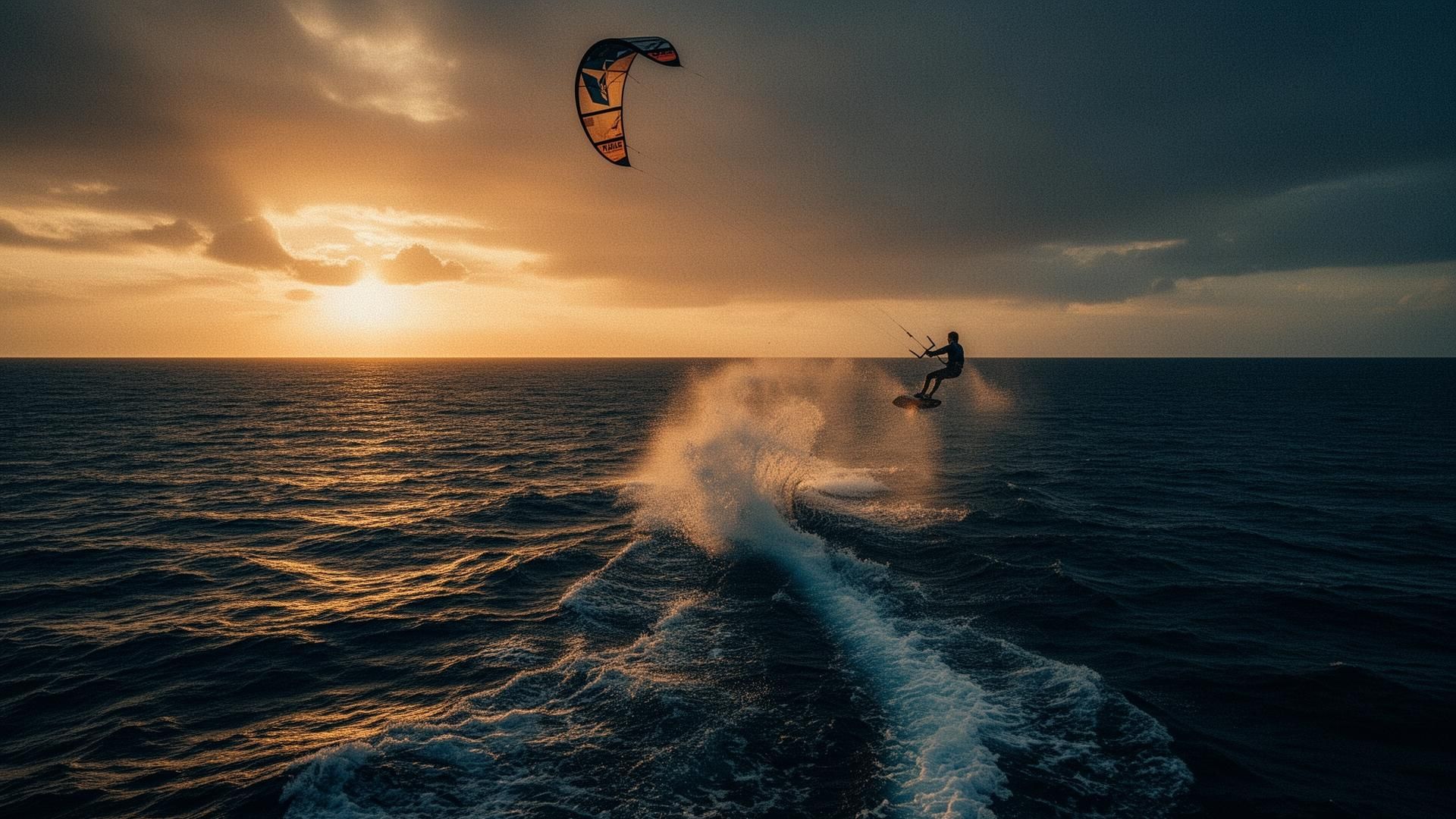
Big Air Kitesurfing
Big Air Kitesurfing
Big Air is the discipline most people recognize from viral clips and competitions. The goal is height, hangtime and control in strong wind. Riders use the kite as a lift engine, send it aggressively through the wind window and combine jumps with rotations, board offs, kiteloops or megaloops.
Who it is for
Big Air is for advanced riders who are confident riding upwind, edging hard, controlling power and landing safely in strong wind.
Best conditions
Strong and steady wind, open water, enough space downwind, safe landing zone.
Gear
Smaller kites, twin tip boards, strong harnesses, reliable safety systems.
Safety notes
Strong wind multiplies every mistake. Always check the safety system, the lines and your downwind space before each session, and never send the kite without a clear landing zone.
Difficulty · Best conditions · Typical gear
Big Air Kitesurfing
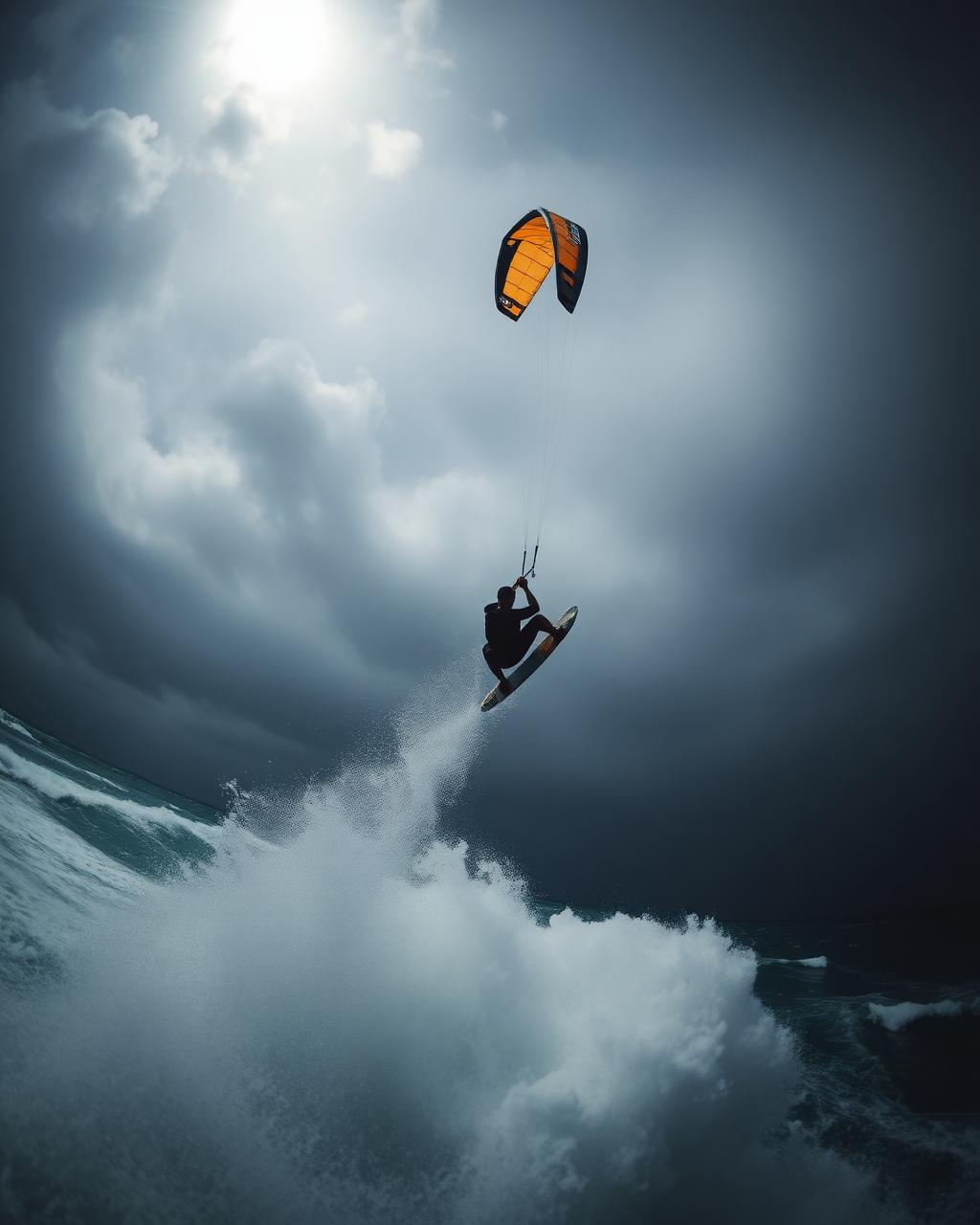
Freestyle Kitesurfing
Freestyle Kitesurfing
Freestyle is about technical tricks, handle passes, rotations, pop and board control. It often happens in flatwater because riders need clean takeoff and landing conditions. Freestyle is less about maximum height and more about precision, timing and repetition.
Who it is for
Freestyle suits riders who like progression, repetition and technical challenges. You should be able to ride upwind in both directions and start unhooking with control.
Best conditions
Flatwater lagoon or bay, steady wind around 18 to 25 knots, no swell, enough space to crash and reset.
Gear
Stiff freestyle twin tip with strong pop, freestyle or C kite (often 5 lines), boots or aggressive straps, short handlepass leash.
Difference to Big Air
Big Air is about how high you go and how hard you loop. Freestyle is about how technical the trick is between takeoff and landing. The same rider can do both, but the gear and the spot choice differ.
Difficulty · Best conditions · Typical gear
Freestyle Kitesurfing
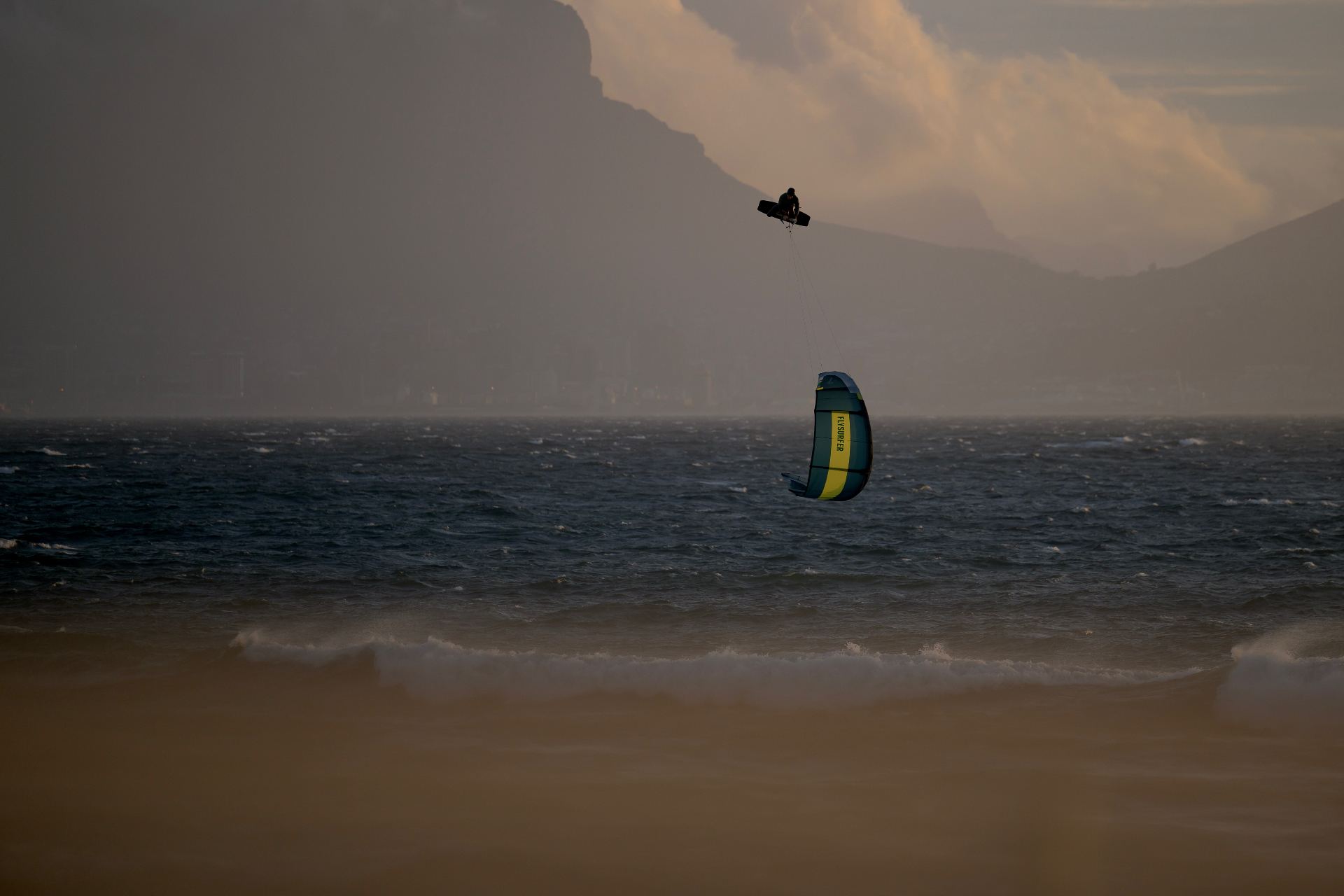
Wave Kitesurfing
Wave Kitesurfing
Wave kitesurfing combines surfing and kite control. The kite gives speed and positioning, but the wave defines the ride. Good wave riding is not only about power, it is about timing, reading the ocean and using the kite without disturbing the line on the wave.
Who it is for
Wave riding is ideal for kiters with an ocean background or anyone willing to learn how waves break, how to time a turn and how to ride strapless in real swell.
Best conditions
Clean waves, side shore or side-off wind, deep enough water at the takeoff, and no crowded line-ups.
Gear
Directional surfboard or strapless wave board, low-aspect wave kite with quick depower, surf leash and impact vest.
Safety notes
Waves, currents, rocks and reefs add risk that doesn't exist in flatwater. Always scout the spot, know the wind direction, and respect surfers in the line-up.
Difficulty · Best conditions · Typical gear
Wave Kitesurfing
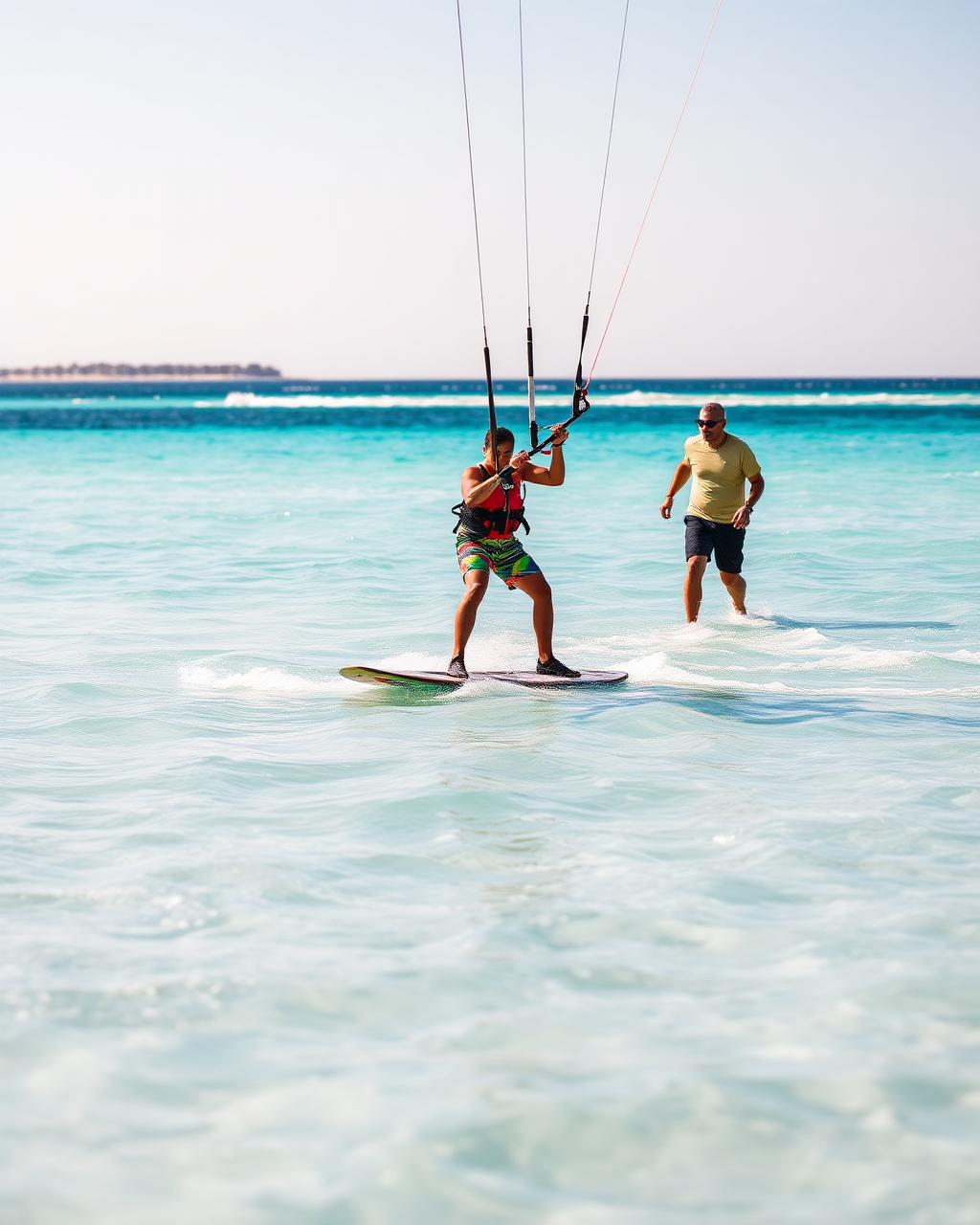
Freeride Kitesurfing
Freeride Kitesurfing
Freeride is the most common and versatile form of kitesurfing. It is about riding comfortably, going upwind, carving, jumping small to medium height and exploring conditions without focusing on one extreme discipline. Most riders begin with freeride and many stay with it because it works almost everywhere.
Who it is for
Freeride works for absolute beginners after their first course and for experienced riders who want a relaxed session without pressure. It is the most flexible style.
Best conditions
Almost anywhere with safe wind direction, enough space, and a beach you can launch from. Flat to chop, 12 to 25 knots.
Gear
Allround three-strut kite, comfortable twin tip, waist or seat harness depending on style.
Why it is a great starting point
A solid freeride base — riding upwind, transitions, controlled jumps — is what unlocks every other discipline. Most pros still ride freeride sessions on light or unstable days.
Difficulty · Best conditions · Typical gear
Freeride Kitesurfing
Foil Kitesurfing
Foil Kitesurfing
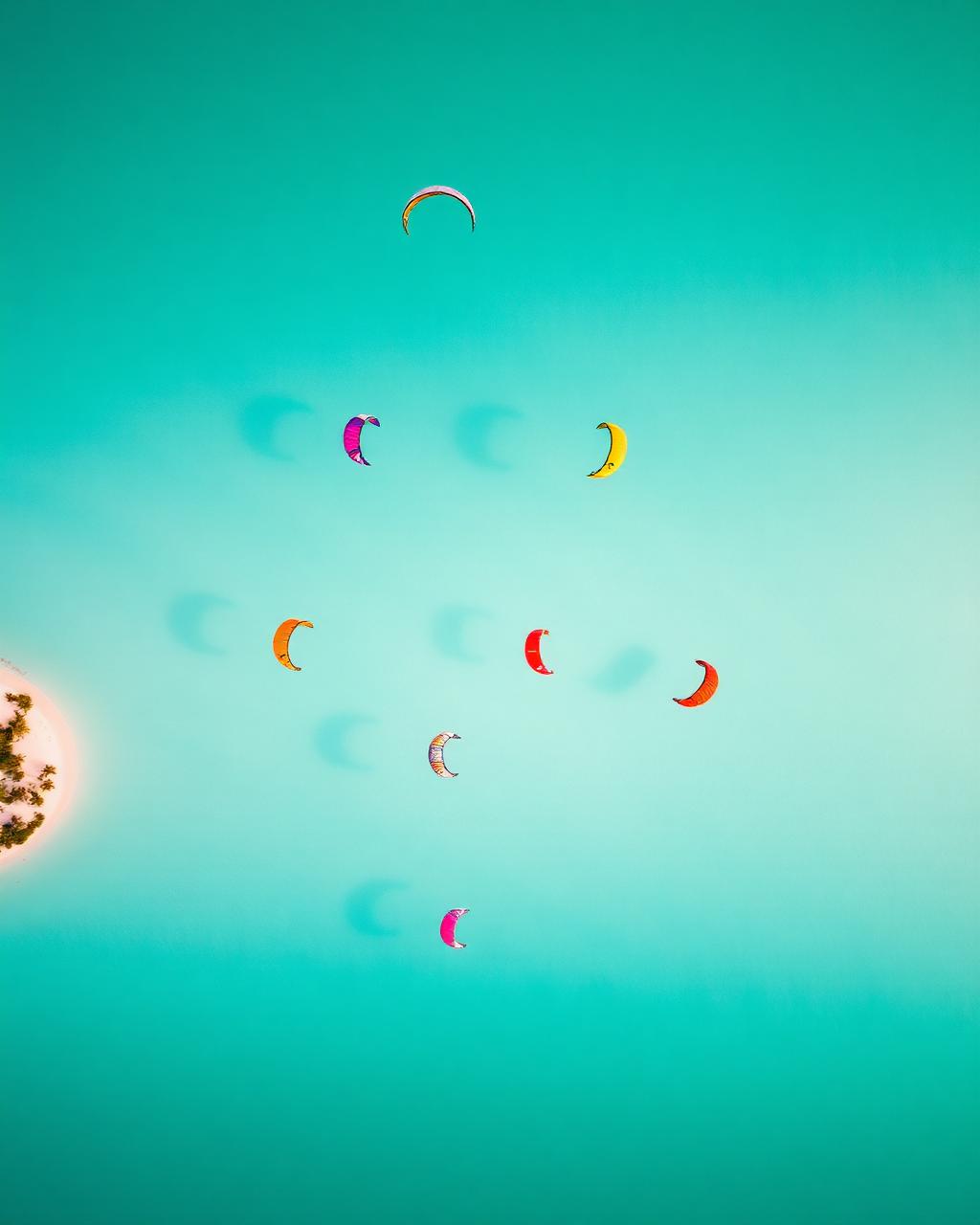
Foil kitesurfing uses a hydrofoil under the board to lift the rider above the water. This reduces drag and makes it possible to ride in much lighter wind than traditional twin tip setups. Foiling feels smooth, efficient and technical, but the learning curve is different from normal board riding.
Who it is for
Foil is ideal for riders who live in light-wind regions, want to extend their season, or enjoy a technical, almost silent riding experience.
Best conditions
Light to moderate wind (often 8 to 15 knots), deep enough water (around chest deep at minimum) and a clean launch area.
Gear
Dedicated foil board, hydrofoil with mast, fuselage and wings, and smaller kites in the 5 to 9 m range.
Safety notes
A hydrofoil is a sharp piece of carbon. Always learn with a helmet and impact vest, keep distance from other water users and crash sideways, never on top of the foil.
Difficulty · Best conditions · Typical gear
Foil Kitesurfing
Kite Racing
Kite Racing
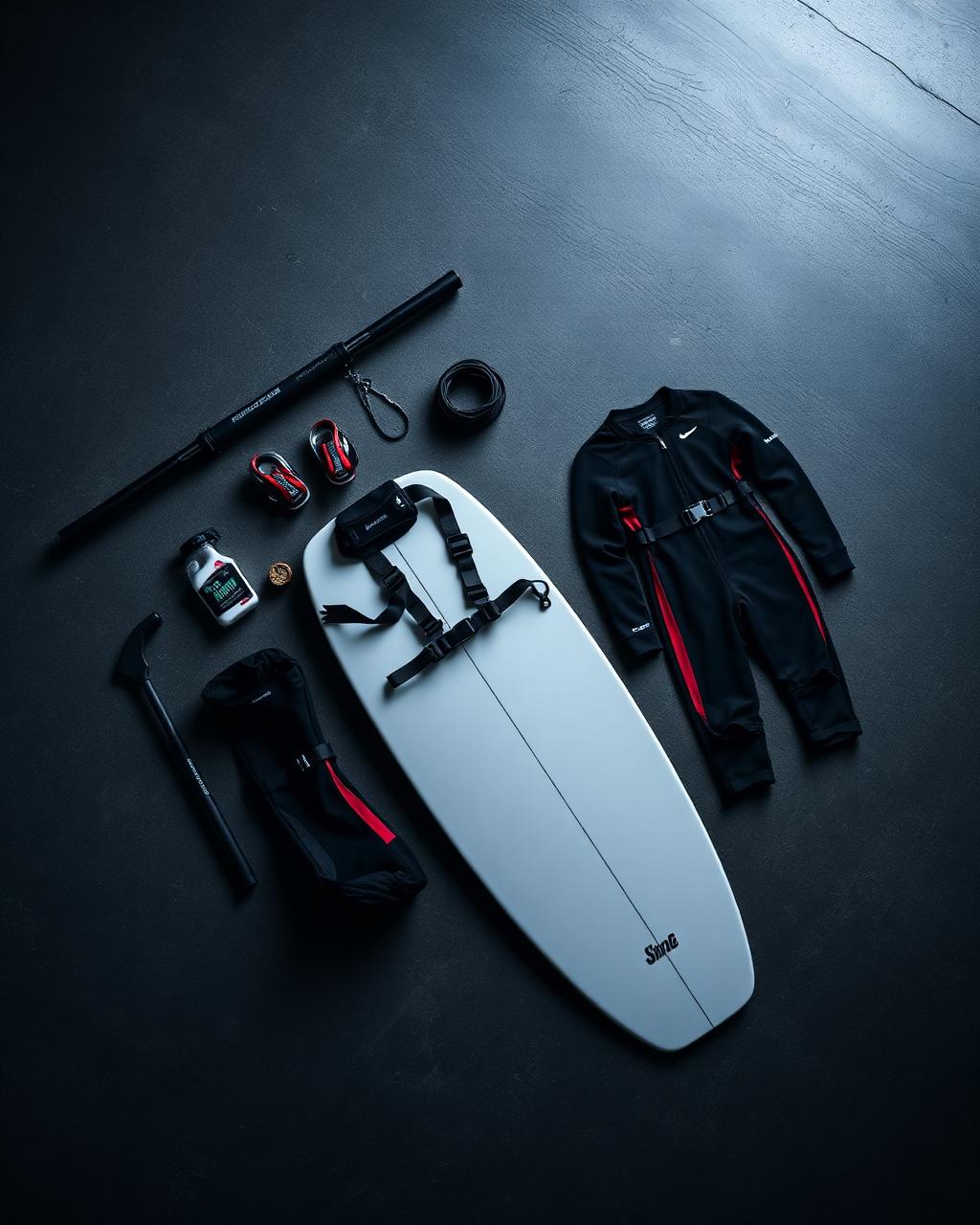
Kite racing is the performance side of kitesurfing. It combines speed, tactics, efficiency and equipment control. Riders use high performance foil setups and race around courses with extreme angles upwind and downwind. Racing is technical, physical and highly equipment driven.
Who it is for
Racing is for experienced foil riders who enjoy training, tactics and pushing equipment. It now has an Olympic and competitive context, but the level required is high.
Best conditions
Consistent wind, open water, clearly marked course, and a setup tuned for speed and upwind angle.
Gear
Race foil with thin high-aspect wings, dedicated race board, high-aspect race kite and a tuned bar setup.
Note
Racing is one of the most equipment-driven sides of kitesurfing. Tuning, fitness and tactics often matter as much as raw riding skill.
Difficulty · Best conditions · Typical gear
Kite Racing
Disciplines at a glance
A quick side-by-side overview of the six main kitesurfing disciplines.
Big Air
- Best for
- Adrenaline and height
- Typical conditions
- Strong, steady wind
- Board
- Twin tip
- Difficulty
- Advanced
- Main focus
- Jumps, loops, hangtime
Freestyle
- Best for
- Technical progression
- Typical conditions
- Flatwater, 18–25 kn
- Board
- Stiff twin tip
- Difficulty
- Advanced
- Main focus
- Tricks, handle passes
Wave
- Best for
- Surf-style riders
- Typical conditions
- Waves, side-off wind
- Board
- Directional
- Difficulty
- Intermediate+
- Main focus
- Riding the wave
Freeride
- Best for
- Everyday sessions
- Typical conditions
- Wide range, 12–25 kn
- Board
- Twin tip
- Difficulty
- Beginner to all
- Main focus
- Comfort and flow
Foil
- Best for
- Light wind days
- Typical conditions
- 8–15 kn, deep water
- Board
- Foil board
- Difficulty
- Intermediate+
- Main focus
- Efficiency, glide
Racing
- Best for
- Speed and tactics
- Typical conditions
- Consistent wind, course
- Board
- Race foil
- Difficulty
- Advanced
- Main focus
- Speed and angles
Find your style
Which kitesurfing discipline fits you?
A quick guide to the discipline that probably matches you best right now. You can always mix more than one.
Frequently asked questions
What are the main disciplines in kitesurfing?+
The main kitesurfing disciplines are Big Air, freestyle, wave, freeride, foil and racing. Each uses different kites, boards and conditions, and rewards a different skill set.
What is the easiest kitesurfing discipline to start with?+
Freeride is the easiest starting point. It uses friendly all-round gear, works in a wide range of conditions, and builds the upwind riding base needed for every other discipline.
What is Big Air kitesurfing?+
Big Air is the discipline focused on maximum height, hangtime and loops in strong wind. Riders send the kite aggressively through the wind window to jump 10 to 30 meters or more.
What is the difference between freestyle and freeride?+
Freeride is about comfortable, versatile riding across many conditions. Freestyle is a specialized discipline focused on technical tricks, handle passes and pop, usually in flatwater.
Do I need different gear for each discipline?+
Yes. A Big Air kite differs from a wave kite or a race kite, and boards range from twin tips to directionals, foil boards and race boards. Many riders start with one freeride setup and add more specialized gear over time.
Is foil kitesurfing harder than normal kitesurfing?+
Foiling is not necessarily harder, but the learning curve is different. The kite handling is similar, but balance, foot pressure and timing on the board feel new even for experienced twin tip riders.
Which kitesurfing discipline is best for light wind?+
Foil is by far the best choice for light wind, often allowing sessions from around 8 knots. Freeride with a large kite is the second option.
Which discipline is best for waves?+
Wave kitesurfing, usually on a directional surfboard and often strapless, is built around riding waves. Freeride wave is a smoother entry point before committing to dedicated wave gear.
Can beginners start with Big Air?+
No. Big Air requires strong wind, advanced upwind riding, kite control and safety awareness. Beginners should build a freeride base first and progress into Big Air over time.
How do I choose the right kitesurfing discipline?+
Look at your home spot, the wind you usually get and what excites you the most. If you ride in light wind, foil. If you live near waves, wave. If you want height and power, Big Air. If you want flexibility, freeride.
Next step
Match a discipline to your home spot.
Once you know which discipline interests you, the next step is to find the right spot, the right gear and the right learning path.
Newsletter
The wind report,
in your inbox.
Selected spots, gear insights, event updates and rider stories. No fluff — only when there is something worth sharing.
No spam. Unsubscribe in one click. How we handle your data: Privacy policy